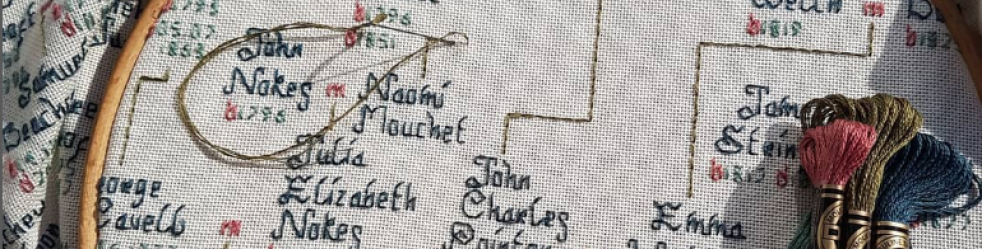
Bogroy is the centre of the universe for my Dalgetty family. It is a farm in the small village of Tore on the Black Isle in Ross and Cromarty in the Highland region of Scotland, just across the Kessock Bridge from Inverness. The name comes from the Scottish Gaelic “Bòg Ruadh” meaning “Reddish-brown bog.”
The most significant thing about Tore is that it has a huge roundabout in the middle of it where the A9 intersects the A832 and the A835. The school and hall is on one side and the service station on the other. Blink and you miss it!
The other thing I love is that just down the road near Munlochy, there is a Clootie Well – which is part of old Celtic traditions linked to healing. The rag or ‘cloot’ is dipped in the well and tied to a tree in the hope that a sickness or ailment will fade as the rag disintegrates. It was once thought that leaving children here over night would cure them. People still make wishes and leave offerings for the faeries now.
Anyway, for my family, Tore is a very significant place in that there has been a Dalgetty at Bogroy for more than 170 years. It has been passed down through the generations to the eldest son (who was almost always called John.) At the moment is in the very capable hands of my Dad’s cousin, John.
My Granny and her nine siblings were all born at Bogroy and my Dad and his siblings have very fond memories of getting into all sorts of trouble there in their younger years with their very large extended family.
The first Dalgettys to live there were Isabella (Bell) and John Dalgetty. Prior to the 1851 census, the Dalgettys had lived further south in Scotland in Angus but by the 1851 census, John had moved further north to the Black Isle and married Bell. My Granny told me that he and three of his brothers had followed the work found with the harvest – berries, corn and potatoes.
This census shows, they had four daughters and Isabella’s father Donald Cameron is living with them. He was listed as being a Pauper, former Crofter and deaf. It is possible that this is Bogroy and the Camerons had lived there already. It is also likely at this time that they only spoke Gaelic.
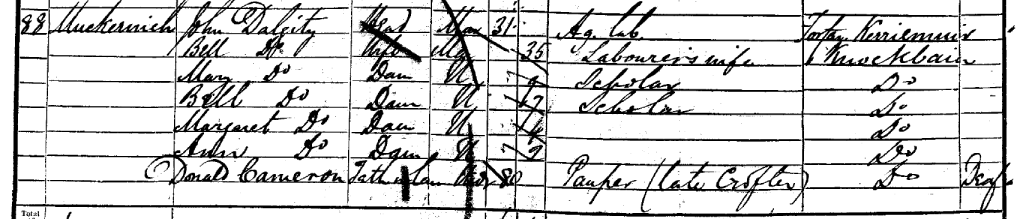
The first time the name Bogroy appears in Dalgetty family history is in the 1861 census. There were five occupied dwellings and the Dalgetty family occupied one of them with their five children. John is listed as a Crofter. This census also required them to list the number of rooms to help the authorities understand the level of ventilation in Scottish houses.

By 1871 Isabella was widowed and living on the farm with five of her children and two grandchildren. The size of the property had increased considerably.

I only have the transcript of the 1881 census but it shows that Isabella has passed the responsibility of the farm to her son John who is listed as head of the family, a crofter of 20 acres of arable land.
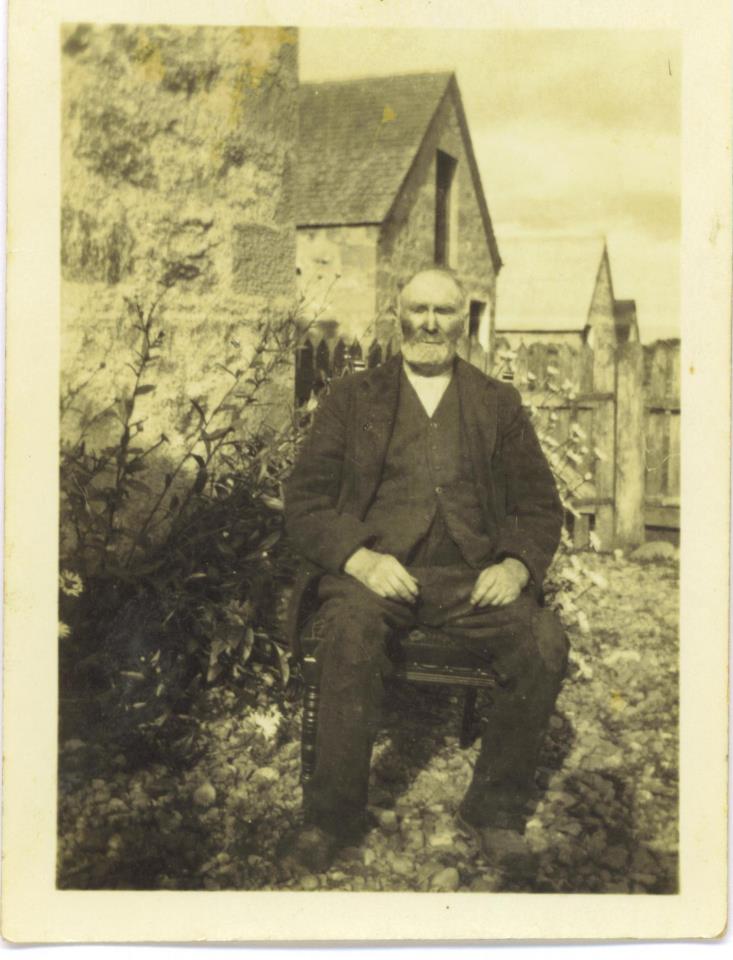
John Jr was known as ‘The Champion’ but that’s another tale. (Photo below). He married Jessie Tolmie in 1890 (My Granny was named after her) and they had six sons. Three of them died young.

The 1911 census shows John and Jessie at Bogroy with John as head of the family. This census confirms that they had 6 children and only 3 surviving. Also that they had been married for 20 years and speaking both Gaelic and English.
Their first son John, died 3 days after his 7th birthday in 1898 of typhoid and his younger brother, William (their third son) had the same fate, a week later, at the age of only 18 months old. In 1903, their second son Alick died age 14 as the result of a railway accident. He was walking along the railway line towards Allangrange Station (near Tore) to meet his mother off the train from Inverness when he was hit by a train.
Their eldest surviving son William John (Willie John), named for his two brother who died of typhoid, (Born 1900), eventually took over the farm in the 1920s. He married Isabella Morrison and they had 10 children, their eldest being my Granny and her brother John became the next John Bogroy.
 stitcherintime